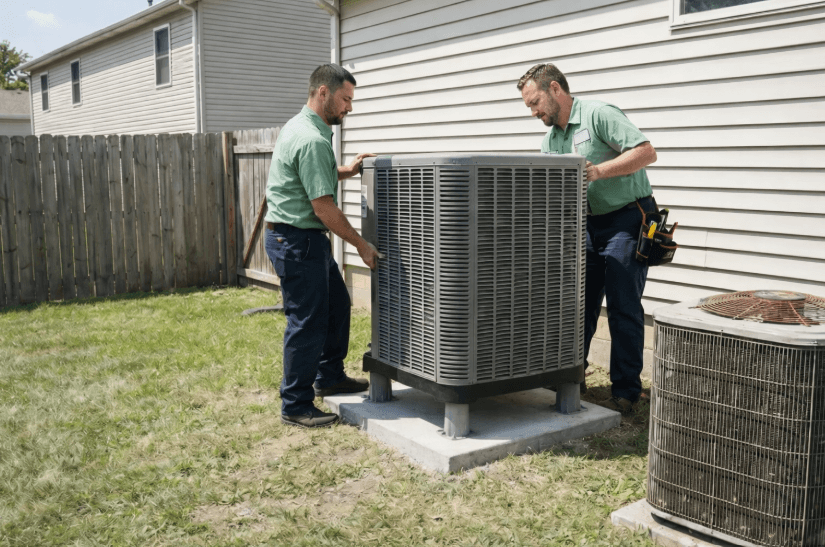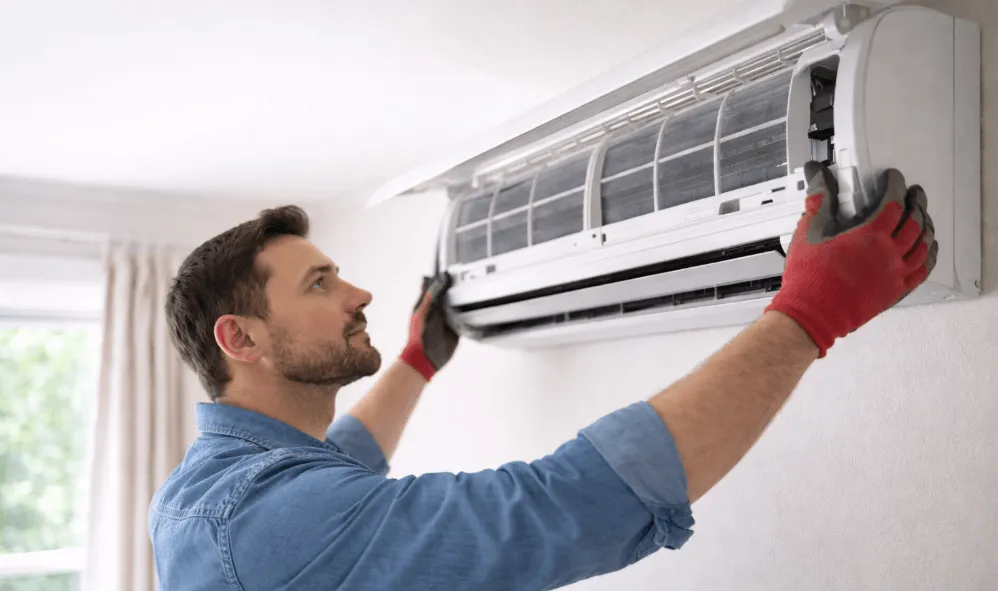
When your AC starts falling behind—especially during our toughest stretch of the season—it’s natural to start wondering the same thing we hear from so many neighbors who call us:
“What should I expect to pay to replace my AC… and how do I make sure I’m not getting overcharged?”
After years of working in homes across our community, helping families compare bids, understand their options, and sidestep unnecessary upsells, we’ve seen clear patterns in what an honest AC replacement should cost. We’ve also seen where surprise charges tend to sneak in—usually in places most homeowners aren’t warned about upfront.
What we want you to have is the same clarity we share at kitchen tables every week:
- What a fair price range really looks like in homes like yours
- What affects the cost more than people realize
- Which decisions actually impact long-term comfort and efficiency
- And how to compare quotes in a way that protects your budget
Think of this guide as a neighbor-to-neighbor breakdown—based on real installations we handle every day in our area—so you can move forward confident, informed, and in control of your comfort.
TL;DR Quick Answers
AC replacement cost
Most homeowners can expect to pay $5,000–$12,000 for a full AC replacement, depending on system size, efficiency rating, and installation needs. Based on what we see across real homes, the biggest cost swing usually comes from improper sizing or unexpected labor add-ons—not the equipment itself. To avoid surprise charges, compare quotes line by line and make sure the contractor explains why they’re recommending a specific unit size or SEER rating.
Top 5 Takeaways From What We See in Local Homes
- A full AC replacement typically falls between $5,000–$12,000.
That range includes equipment, installation, and the on-the-ground variables that come with older homes, tight closets, or aging ductwork.
- Most unexpected costs don’t come from the unit—they come from sizing and labor.
Things like improper load calculations, hard-to-access air handlers, or duct issues can swing prices more than homeowners expect.
- Manual J sizing matters more than most people realize.
We can’t count the number of times we’ve seen comfort problems (and higher bills) traced back to units that were never sized properly for the home. A proper Manual J keeps your system efficient for the long haul.
- Higher SEER2 isn’t always the “right” choice.
In our climate, efficiency upgrades need to match your home’s design and usage patterns. Sometimes the mid-tier option delivers the best long-term value.
- Always compare quotes line by line.
Not all bids include the same scope of work. A clear, itemized comparison helps you spot unnecessary charges—and protects you from paying for work you don’t need.
What Actually Influences the Cost of Replacing an AC — Insights From Homes Right Here in Our Community
When neighbors call us asking why AC replacement quotes can vary so much, we always explain the same thing: your total cost depends on what’s happening inside your home—not just the price tag on the equipment. After years of installing systems in homes across our area, we’ve seen a handful of consistent factors that make the biggest difference.
Age and Condition of Your Existing System
If your current system is 12–15 years old (or older), you may be looking at a more involved installation. Older equipment often means:
- Outdated electrical setups
- Rusted or deteriorated drain pans
- Refrigerant line changes
- Tight or awkward spaces that weren’t designed for modern units
These are common scenarios we see in older local homes, and they can add labor time or material costs—not because anyone is upselling you, but because the new system simply won’t operate safely or efficiently without updates.
Your Local Climate and Cooling Demands
In our part of the country, where long stretches of heat and humidity can push systems to their limits, AC units naturally face more wear and tear. Homes here often need:
- Higher-capacity equipment
- Enhanced moisture control
- More durable components
Homeowners in milder climates may stretch a system another few years; here, earlier replacement is common because the equipment just works harder, season after season.
Types of AC Systems We See in Local Homes—and What They Typically Cost
Choosing the right type of system isn’t just about price—it’s about what actually works for your home’s layout, ductwork, and comfort needs. Here’s how we break it down when talking with families in our area:
$3,500–$7,500+
Great for whole-home comfort if you already have ductwork in place. Most of the homes we service use central systems, so this is the most typical replacement we handle.
$2,000–$5,500 per zone
Perfect when a home doesn’t have ductwork or when certain rooms need dedicated temperature control. We install these often in bonus rooms, sunrooms, and older properties.
$150–$750
Lower cost but limited to one room at a time. They’re helpful in specific situations but not a long-term whole-home solution.
$300–$700
A quick option when you need spot cooling. We usually see these used temporarily—for apartments, workshops, or spaces where permanent installation isn’t ideal.
Understanding Installation Fees and Labor Costs—What We Tell Every Homeowner
One thing we’ve learned after decades of work in this community: installation is just as important as the equipment you choose. Labor costs vary based on what your home actually needs.
Factors that typically influence labor:
- System accessibility: Attics with tight entry points, closets built around old air handlers, or aging platforms can lengthen installation time.
- Electrical or drain upgrades: Older setups often need updates to meet current safety standards.
- Ductwork condition: If ducts are leaking, undersized, or deteriorated, installing a new unit on top won’t fix the comfort issues.
We always encourage homeowners to ask about warranties, too. Many manufacturer warranties cover parts only—not labor—so understanding what’s included (and what isn’t) can prevent surprise bills down the road.
Energy Efficiency Ratings: What Pays Off in Our Local Climate
Based on what we see in homes across our area, a properly sized and reasonably efficient system often gives the best return—not necessarily the highest SEER2 rating on the market.
Benefits of choosing a well-matched efficiency level include:
- Lower monthly utility bills
- More consistent temperatures, even on our hottest days
- Longer equipment lifespan
- Eligibility for rebates or local incentives
We’ve seen neighbors save thousands over the life of their system simply by choosing an efficiency level that fits their home and climate instead of overspending on something they won’t fully utilize.
How to Avoid Surprise Expenses During an AC Replacement
We’ve walked many homeowners through the replacement process, and the smoothest experiences all share a few simple habits:
1. Get multiple quotes from reputable local companies.
Not to price-shop aggressively, but to understand differences in scope, equipment, and labor.
2. Review each quote line by line.
Look for:
- Permit fees
- Disposal charges
- Ductwork changes
- Electrical or drain updates. Clear comparisons protect you from paying for items you don’t need.
3. Set aside a small contingency fund.
Hidden issues behind old air handlers (rust, rot, or code violations) are common in our area’s older homes.
4. Ask about warranties upfront.
The best protection comes from warranties that cover both parts and labor.

By planning and understanding what typically drives costs locally, you can replace your system confidently and avoid the stress that often comes with unexpected expenses.
“After looking over thousands of AC replacement estimates in homes across our community, we’ve noticed a clear pattern: most homeowners don’t overpay because they picked the wrong unit—they overpay because no one ever walks them through what really drives the cost. When you understand the sizing, labor needs, and efficiency choices behind a quote, you can spot unnecessary add-ons right away and save real money without giving up the comfort your family depends on.”
The 7 Must-Know Resources Every Homeowner Should Use Before Replacing Their AC
1. ENERGY STAR: Your Starting Point for Smart, Efficient AC Selection
ENERGY STAR offers clear guidance on SEER2 ratings, efficiency tiers, and what actually matters when choosing a new AC—helping homeowners understand which features justify the cost. Perfect for getting grounded before comparing quotes.
Source: https://www.energystar.gov/saveathome/heating-cooling
2. U.S. Department of Energy: The Most Trusted Breakdown of AC Efficiency & Operating Costs
The DOE explains how different AC systems impact energy bills, comfort, and long-term performance. Homeowners use this resource to verify claims from contractors and avoid unnecessary upgrades.
Source: https://www.energy.gov/energysaver/central-air-conditioning
3. ACCA Manual J: The Gold Standard for Proper AC Sizing
Manual J load calculations determine the exact size system a home needs—critical because incorrect sizing is one of the biggest (and most expensive) reasons replacements fail. This resource helps homeowners understand why sizing matters.
Source: https://www.acca.org/hvac/technical/manuals
4. HVAC.com: Straightforward Cost Breakdowns for Real-World Replacements
This guide breaks down typical equipment, labor, and installation costs in plain language. Great for homeowners who want a quick snapshot of realistic pricing ranges.
Source: https://www.hvac.com/expert-advice/hvac-replacement/
5. HomeAdvisor: National Cost Data Based on Actual Homeowner Projects
HomeAdvisor aggregates thousands of real AC replacement estimates to show what people are actually paying in different regions. Useful for comparing contractor quotes to market averages.
Source: https://www.homeadvisor.com/cost/heating-and-cooling/install-an-ac-unit/
6. ASHRAE: Technical Standards That Ensure Proper System Performance
ASHRAE resources help homeowners understand the safety, installation, and efficiency standards reputable contractors follow. Great for spotting red flags in quotes or proposed work.
Source: https://www.ashrae.org/technical-resources
7. FilterBuy HVAC Solutions: First-Hand Insights From Real Homeowner Projects
Based on patterns from thousands of consultations, Filterbuy HVAC offers practical guidance on hidden costs, common upsells, and how to compare quotes wisely. Ideal for homeowners who want clear, experience-driven advice before making a decision.
Source: https://hvac.filterbuy.com/
Why These Numbers Matter for Your Home — What the Data Shows and What We See Every Day
When families in our community ask why AC replacement costs deserve careful planning, we often point to two things: the national data and what we see firsthand in local homes. Together, they paint a clear picture—your air conditioner isn’t just another appliance. It’s one of the biggest drivers of comfort, safety, and long-term household expenses.
1. Nearly Every Household Relies on Air Conditioning
- 89% of U.S. homes use AC, and 67% rely on central air (EIA).
- That lines up almost exactly with what we see during service calls—nearly every homeowner eventually faces the decision to repair or replace their system.
Why it matters locally:
- AC isn’t optional in our climate.
- System age and performance directly affect day-to-day comfort.
- Planning ahead helps homeowners avoid making rushed, expensive decisions when a system fails in peak season.
Source: eia.gov
2. AC Accounts for a Big Portion of Your Electricity Use
- 19% of all residential electricity consumption goes to air conditioning (EIA).
- We see this play out routinely, especially when older or improperly sized systems run nonstop just to keep up with local heat and humidity.
What this means for your budget:
- An inefficient or mismatched system can drive monthly bills much higher.
- Replacing an aging unit can reset one of your home’s largest recurring expenses.
- Proper sizing and installation make a dramatic difference in long-term cost.
Source: eia.gov
3. Almost Half of Home Energy Costs Go to Heating and Cooling
- The average household spends $2,200+ per year on energy.
- Nearly half of that total is for heating and cooling (EPA).
From our experience in local homes, even a moderate efficiency improvement—paired with correct sizing—can produce real, ongoing savings. It’s one of the few home investments where comfort and cost savings come together quickly.
Why this matters for AC replacement decisions:
- Choosing the right efficiency level impacts your yearly budget.
- A well-installed system pays you back through lower operating costs.
- Smart upgrades today reduce strain on your system for years to come.
Source: energystar.gov
Final Thought & Opinion — From Your Local HVAC Neighbors Who’ve Seen This Decision Count
A new AC system isn’t just another line item on a home budget—it’s a long-term comfort decision that affects how your family lives every single day. We’re reminded of this constantly when we sit at kitchen tables across our community, helping homeowners compare quotes and understand what they’re really paying for.
After years of replacing systems in homes just like yours, one thing is clear: the real cost of a new AC has far more to do with the choices behind the installation than the price tag on the equipment.
What Our Local Experience Shows
1. The biggest cost drivers aren’t usually the units—they’re sizing, installation quality, and add-on labor.
Mis-sized systems and workarounds for older homes are what cause most quote differences, not the model number itself.
2. Homeowners who review quotes line by line avoid almost all surprise charges.
A clear scope of work protects your budget and helps you compare bids fairly.
3. The best long-term outcomes come from choosing value—not the lowest bid.
We’ve seen low-priced installs cost homeowners far more down the road in comfort issues, repairs, and energy bills.
What Smart Homeowners in Our Community Do
- Ask why a contractor recommends a certain size or SEER rating.
Your home deserves more than a “rule of thumb” guess. - Compare estimates for equipment, labor, installation details, and warranties—not just final price.
- Think long-term.
A properly sized and professionally installed system can pay you back year after year through efficiency and reliability.
The Bottom Line
A well-chosen, correctly installed AC system delivers immediate comfort and long-term savings. When you understand what truly affects the price—and work with a contractor who’s transparent about those factors—you make a confident decision that protects both your comfort and your budget.
That’s what we want for our neighbors. And it’s why we take time to explain every detail clearly: because informed homeowners avoid the pitfalls that catch so many others off guard.
Next Steps — Clear, Neighborly Guidance You Can Follow Today
- Get 2–3 Detailed Quotes
- Request written estimates with model numbers, labor, ductwork notes, and add-ons.
- Compare line by line to spot unnecessary charges.
- Verify Proper Sizing
- Ask for a Manual J calculation.
- Be cautious with contractors who size based on the “rule of thumb.”
- Choose the Right Efficiency
- Pick a SEER2 rating that matches your climate, home design, and usage habits.
- Higher efficiency isn’t always the best value.
- Check Warranties & Guarantees
- Look for solid parts and labor coverage.
- Strong installation warranties are a good sign of quality workmanship.
- Focus on Long-Term Value
- Consider energy savings, repair costs, and year-round comfort.
- Sometimes, a slightly higher upfront cost saves hundreds annually.
- Schedule Strategically
- When possible, avoid peak-season installations.
- Off-season appointments often offer better availability and flexibility.
- Save Your Documentation
- Keep quotes, receipts, and model numbers in one place.
- It simplifies warranty claims and future maintenance.
These steps help you make a confident replacement decision—one grounded in clarity, value, and long-term comfort for your home.
FAQ — Straightforward Answers From a Local HVAC Neighbor You Can Trust
Q: What does a new central AC typically cost?
A: Most homes land between $5,000–$12,000, based on equipment, labor needs, and any updates required for older electrical or duct systems.
Q: Why do contractor quotes vary so widely?
A: The biggest differences usually come from labor and installation quality, not the equipment. Quotes become far more accurate when a contractor performs a proper Manual J sizing calculation.
Q: Is a higher SEER2 rating always worth it?
A: Not necessarily. In many homes, a mid-range efficiency delivers the best balance of comfort, cost, and long-term value.
Q: How do I avoid surprise charges?
A: Request line-item quotes and ask every contractor to explain their sizing and installation choices. Transparency is your best protection.
Q: How long does AC replacement take?
A: Most installations take 4–10 hours, depending on accessibility, ductwork needs, and electrical upgrades.
Get Your AC Replacement Cost — With Zero Surprise Expenses
Now that you know what homeowners should expect to pay, take the next step and request your free, no-obligation quote so you can see exactly what a fair AC replacement costs for your home.