


A heating system that suddenly stops working is a serious issue during the cold months. This leads to emergency heating repairs at worst possible times. This kind of problem requires a fast response.
Top Takeaways
- Sudden heating emergencies are possible to happen but most can be prevented.
- Fast quality and professional repairs keep you warm, safe and help you save money.
- Regular check-ups of your heater help in making a reliable and efficient system all year.
- Trust Filterbuy HVAC Solutions for expert and 24 hour emergency HVAC service.
Common Causes of Heating System Failures
Many homeowners deal with HVAC problems during colder months. Several issues cause the heating system to stop working. Knowing these problems helps you catch them early.
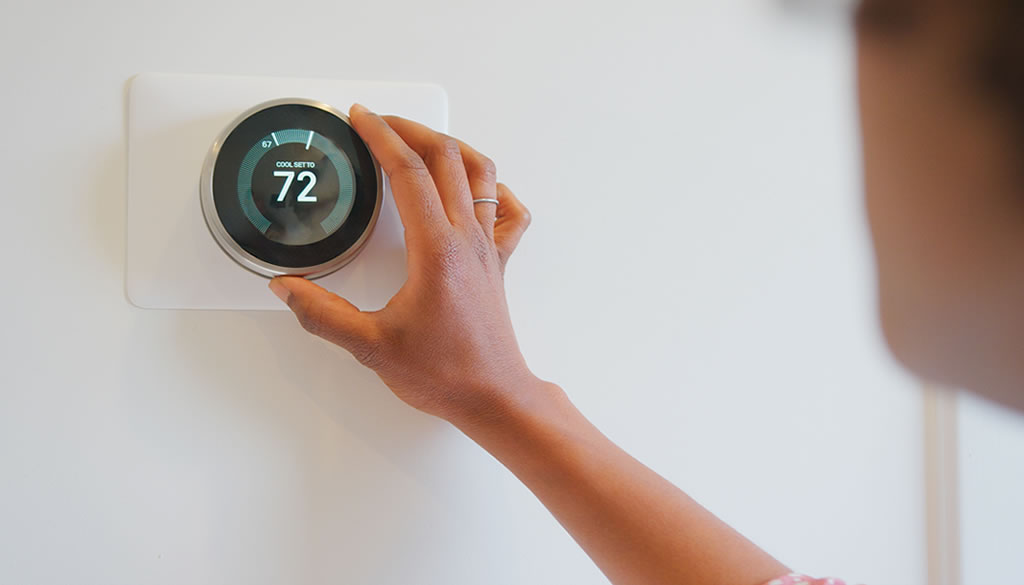
- Thermostat problems – Defective or faulty readings stop your unit from turning on. This also causes the unit not to reach the right temperature.
- Electrical failures – Damaged wiring disrupts power to your unit.
- Clogged filters – The unit is overworked when filters are dirty.
- Mechanical wear and tear – Parts wear out over time.
- Fuel supply issues – Heater shuts down because of leaks and an empty tank.
Checking these things ensures the smooth operation of heating systems. This ensures the smooth operation of your units during cold days.
Signs You Need a Professional HVAC Repair
Know when to call an expert during HVAC emergencies. This also prevents expensive damages. Here are the signs you need an emergency heating repair from professionals:
- Banging or screeching noises that are unusual.
- No heat from the vents or weak heat coming from it.
- Uneven heating across rooms.
- Strange smells such as burning metal or gas odors.
- Sudden increases in energy bills.
Don’t hesitate to call for a 24 hour emergency heating service from a reliable HVAC repair company like Filterbuy HVAC Solutions. Calling them immediately prevents further damage.
Don’t Delay Emergency Repairs
Ignoring heating issues can cost more than you think. Delayed repairs can cause:
- Bigger and expensive damage to your system’s key components.
- Hazards to safety like electrical fires or other potential dangers.
- Unsatisfactory indoor air quality. This leads to respiratory issues.
- Higher energy bills because of your system’s struggle to work efficiently.
Fixing the problem saves you on costs and gives you the optimal comfort that you need.
Preventing Future Heating Emergencies
Regular upkeep involves taking preventive measures. This stops problems before they arise. It minimizes the chances of a sudden breakdown. Here are a few tips:
- Schedule HVAC tune ups. According to Energy Star, seasonal maintenance makes your unit work better and reduces repairs.
- Change filters every 2 to 3 months. Department of Energy confirms that regular filter replacement improves efficiency.
- Keep vents and air returns clean.
- Listen for strange sounds and act fast when you notice changes in performance.
Your HVAC unit also requires these checks before winter. This is to ensure your heating system withstands the increased demand. Preventative care not only keeps your HVAC reliable but also lowers your energy costs.
Professional Help Is Essential
It’s tempting to try a DIY fix when you need heater repairs. But heating systems are complex. They are also potentially dangerous.
Here’s why calling a licensed technician is the safer choice for emergency heating repairs:
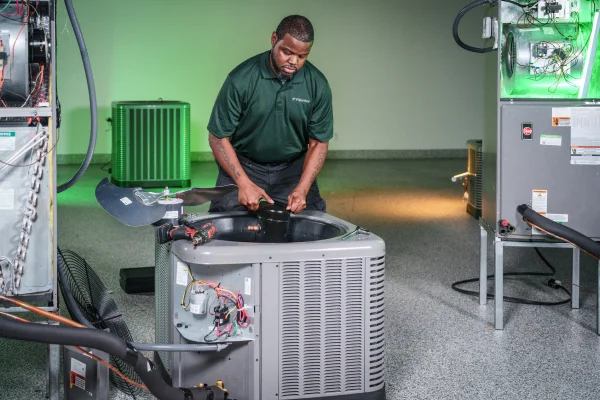
- HVAC professionals like Filterbuy HVAC Solutions have tools and training to diagnose the issue accurately.
- They safely handle electrical and gas components.
- Repairs follow safety codes and maintain your system’s warranty.
- DIY mistakes make the problem worse or create new hazards.
A reliable HVAC company like Filterbuy HVAC Solutions ensures you get emergency heating assistance immediately.
HVAC Repair Costs and Estimates
Heating and air conditioning service costs are tricky. They vary depending on the damage or the service provider. Knowing what affects the price helps you plan better.
The problem and the company you hire are factors to consider. The total price includes labor, parts and sometimes permits, so be sure to research what suits you best.
A good repair company like Filterbuy HVAC Solutions gives you an upfront estimate with HVAC emergency service costs. No hidden fees before starting the job. Just clear communication and quality service that meets your expectations.
Choose Filterbuy HVAC Solutions
At Filterbuy HVAC Solutions, we understand how stressful a heating emergency can be. That’s why we offer:
- 24/7 heating and cooling repair service. We’re available when you need us most.
- Certified and experienced technicians. Trained to handle all major brands.
- Fast response and honest pricing. No hidden fees. Just quality service.
- Commitment to your comfort and safety. We treat your home like our own.
With Filterbuy HVAC Solutions, you can trust that your HVAC is in good hands any time, day or night.
Frequently Asked Questions
What is the main disadvantage of using emergency heat?
Emergency heat presents clear drawbacks in efficiency. These systems use more energy and perform less effectively than regular heating options, which increases utility costs.
What is the maximum run time for emergency heat?
These systems work best for short term use. They increase energy costs and create strain when used for too long. Emergency heat provides warmth during extreme colds or HVAC failures but is not meant for continuous operation.
What should I do if my emergency heat fails?
System failures create serious challenges. Especially during harsh winter months. Addressing emergency heat issues quickly becomes crucial in these situations. It’s best to call an emergency HVAC service to help you.
What are the operating costs of emergency heat?
Heating system type, home size and regional energy prices affect costs. Relying on emergency heat for extended periods leads to high expenses.
When is the right time to switch my heat pump to emergency heat?
They perform well in cold weather by transferring heat instead of generating it. Extreme cold may lower efficiency. But modern heat pumps use advanced technology to work effectively in these conditions.
What are the most frequent heating problems during a crisis?
Wear and tear or equipment failure often leads to sudden heat loss. This creates serious problems during cold seasons. This issue makes homes cold, uncomfortable and potentially unsafe. Neglecting heating system maintenance also causes trouble. Skipping regular upkeep increases the risk of breakdowns, lowering heating performance and shortening equipment lifespan.
Will using emergency heat raise my electricity costs?
Emergency heating systems use a lot of electricity while running at peak capacity. This increased energy usage raises utility bills.
What are the signs that emergency heat is functioning properly?
Spotting signs of emergency heat problems allows for early detection. A sudden drop in heat output or a spike in electricity bills often signals a malfunction. Performing regular system checks especially before winter. This ensures reliable operation.
Which is more cost effective: the heat pump or emergency heat?
Heat pumps transfer warm air efficiently to maintain indoor comfort, but extreme cold can reduce their performance and activate emergency heat. This backup system provides extra warmth but uses more energy, leading to higher costs with extended use. For routine heating, relying on the heat pump remains more economical and eco-friendly.
What causes the emergency heat setting to remain active?
This issue emphasizes the need for accurate emergency heat troubleshooting. Persistent operation often results from thermostat malfunctions, heat pump damage or wiring errors. Fixing these issues ensures the system provides reliable support during cold weather.
What is the difference between auxiliary and emergency heat in terms of cost?
Heat pump failures trigger the use of emergency heat, which increases costs. Emergency heat provides a temporary fix, not a long-term heating solution. Regular maintenance of heat pumps prevents unnecessary expenses and reduces electricity bills.
What are the main pros and cons of using a heat pump?
Regular care keeps maintenance simple and extends their lifespan. These systems, however perform poorly in extreme cold, relying more on supplemental heat. Installation costs can also be quite high.