

Cleaning frequency depends on several factors such as air quality, weather, pets, allergies, humidity and even how often you change your filters all play a role.
Filterbuy HVAC Solutions never rely on guesses or general tips. Our advice is based on actual inspections in real homes. We see how local conditions affect your ducts. Like humidity that can lead to mold or heavy dust from construction.
This guide will help you:
- Know the signs that your ducts need cleaning
• Understand how clean ducts improve air quality, comfort and energy use
• Learn how often cleaning is recommended based on your home’s needs
Top Takeaways
- Clean ducts mean cleaner air. Duct cleaning reduces dust, allergens and particles that circulate through your living spaces.
- Most homes need duct cleaning every 3–5 years. Local conditions could shift that timeline.
- A schedule that fits all houses does not exist. The best schedule is one that is tailored to your environment.
- Clean ducts boost your system’s efficiency. When air ducts are clean, less effort is demanded from the HVAC system.
- Mold comes from moisture, keep it at bay. Book a professional duct cleaning service if there is a buildup or moisture issue.
What is air duct cleaning?
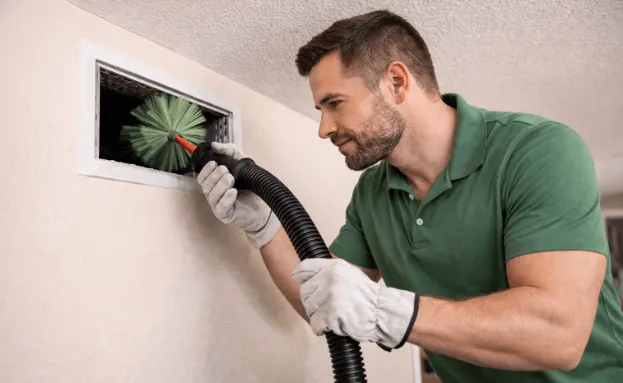
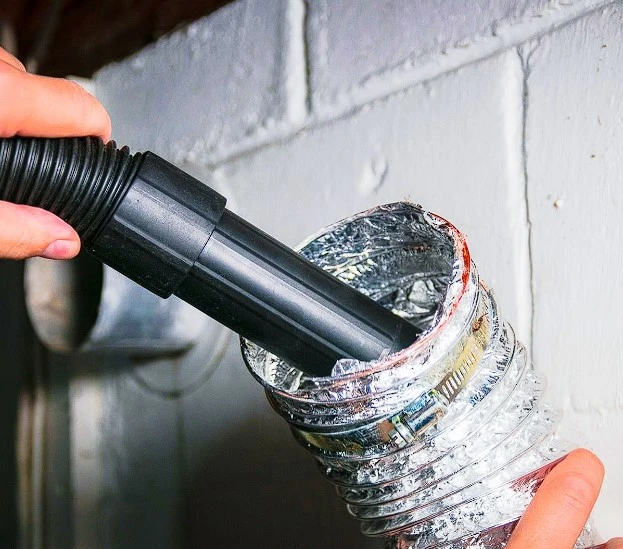
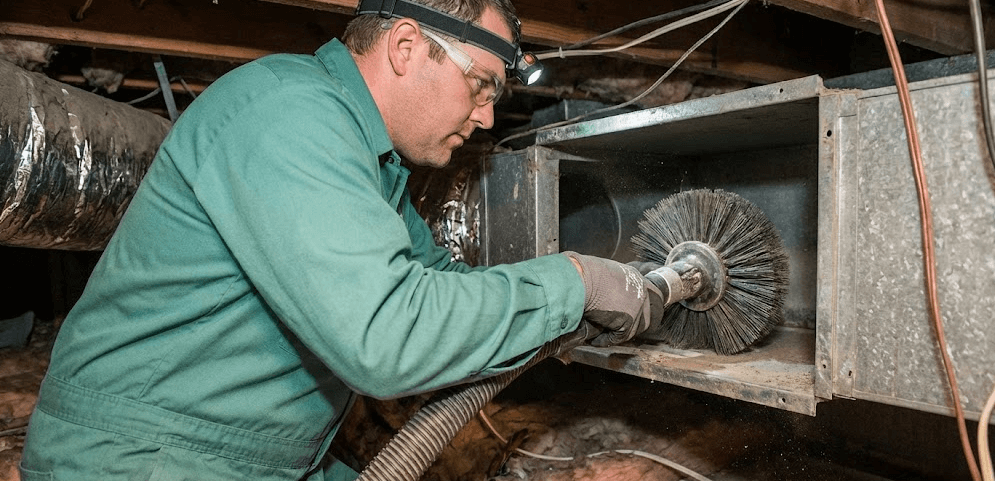
Air duct cleaning is the process of removing dust and allergens from the air ducts. Most homes don’t need it very often. Duct cleaning is not a necessity every year. But the appearance of a dirty duct requires a professional cleaning that leads to better airflow and effectiveness of the HVAC. Your home’s daily conditions affect the speed at which dust and allergens get trapped in your ducts.
For many homes cleaning every 3–5 years is a good rule. But we’ve learned that each home is different. Some homes collect buildup fast. Others stay clean much longer. Your home’s daily conditions affect how quickly dust and allergens settle inside your ducts.
Residences with pets usually require cleaning every 3 years. Pet hair and daily activity get mixed up and pass through your ducts quickly. In places with high humidity, cleaning is also necessary to eliminate the risk of molds popping up.
Homes that are well sealed with regular filter changes usually wait for 4 to 5 years. Every home is unique so one schedule doesn’t work for everyone.
Key Factors in Cleaning Frequency
Your home’s air duct cleaning schedule isn’t determined by a calendar. It’s shaped by the way your home actually lives and breathes.
While the general guideline of every 3–5 years is a good starting point, real-world factors can shorten or extend that timeline. Here are the things we look for before making a recommendation.
- Your Home’s Environment
Some homes accumulate dust much faster than others. Residences with pets, allergy sufferers, smokers, or those going through renovations tend to gather dust, debris and allergens a lot faster. Frequent duct cleaning service is required for these instances.
- Humidity and Moisture Levels
High humidity areas frequently encounter mold growth in the return ducts. Older homes or homes with less-than-ideal ventilation commonly have these. Musty odors or condensation around the vents imply that moisture is probably in place.
- Dust Levels and Local Climate
Neighborhood construction, older housing or naturally dusty environments lead to faster accumulation. Homes closer to wooded areas or busy roads may also see more airborne particles entering the HVAC.
- Maintenance Habits
You can often stretch the cleaning interval closer to 4–5 years if you’re diligent about changing filters on time and your home is well-sealed.
Benefits of Clean Air Ducts
Clean ducts aren’t just about dust control. They directly affect:
- The efficiency of your HVAC system — Clean ducts permit airflow that is not obstructed, thus resulting in an HVAC unit that consumes energy that is less by up to 15%.
- The quality of your home’s air — When the circulation of pollutants decreases, the lung conditions become more favorable.
- Your comfort — Even airflow, better temperature balance and fewer odors all start inside the ductwork.
As your local HVAC team, Filterbuy HVAC Solutions gives advice based on real inspections. We look at your HVAC and your home to help you make the right choice.
Signs Your Air Ducts Are Due for Cleaning
These are the signs we tell families to watch for:
- More dust around vents or furniture
- Increased allergy symptoms or respiratory irritation
- Musty or unusual odors when the system runs
- Uneven airflow from room to room
- Higher energy bills without a clear reason
- Visible debris when you remove a vent cover
Your ducts are giving you a heads-up that it’s time to take a closer look if you notice any of these.
Pets and Allergies Change Your Cleaning Schedule
Living with pets or having someone with allergies at home changes everything.
- Every 6–12 months – Homes with multiple pets, heavy shedding or allergy-sensitive family members
- Every year – Homes with one or two pets or moderate allergy needs
- Every 2–3 years – Homes with minimal pet dander and no major allergy concerns
These are not hard and fast rules. Only flexible guidance based on experience from homes similar to yours.
Debunking Common Myths About Air Duct Cleaning
Myth 1 – “When there’s dust then that’s when I will clean.”
Not true. Buildup begins inside the ductwork long before it appears around vents.
Myth 2 – “Duct cleaning will damage my system.”
Duct cleaning is totally safe under the supervision of trained professionals and, in fact, prolongs your HVAC unit’s life.
Myth 3 – “There’s no need to clean air ducts.”
Ignoring ductwork allows allergens and contaminants to circulate constantly. This impacts air quality long before you notice it.
Expert Tips to Keep Your Ducts Clean at All Times
These are simple habits we recommend to every homeowner in our community:
1. Replace Your Filters Regularly
Change your HVAC filters every 1–3 months to protect your ducts and your system.
2. Vacuum Vent Covers
A quick vacuum every few weeks helps reduce buildup entering your system.
3. Check Humidity
Keep ideal indoor humidity to prevent mold growth.
4. Schedule Professional Cleaning
A thorough cleaning every 3–5 years — or sooner if you have pets or allergies — keeps your home’s air healthier and your system running efficiently.
Essential Resources You Should Have Before Deciding on Air Duct Cleaning
1. EPA Guidance
The EPA’s guidance is one of the clearest, most grounded resources out there. It helps you understand when cleaning genuinely improves your home’s air—and when it won’t make much difference.
https://www.epa.gov/indoor-air-quality-iaq/should-you-have-air-ducts-your-home-cleaned
2. NIH Research
This NIH fact sheet breaks down duct cleaning capabilities to help you make decisions rooted in real evidence.
https://ors.od.nih.gov/sr/dohs/Documents/fact-sheet-hvac-duct-cleaning.pdf
3. NADCA Standards
Choosing the right contractor matters just as much as the service itself. NADCA explains what professional cleaning should look like and how to spot a certified pro who respects your home as much as you do.
https://nadca.com/homeowners/why-clean-air-ducts
4. EPA Consumer Alerts
We’ve all seen those $99 “whole-house specials” pop up around town. This resource helps you steer clear of misleading claims and aggressive upsells.
https://planoairductcleanings.com/epa-consumer-alerts-on-duct-cleaning/
5. Expert Commentary
This resource explains why routine duct cleaning isn’t always necessary. And the specific signs that tell you it’s the right time to schedule it for your home.
https://www.bhg.com/do-you-need-to-clean-air-ducts-8734949
Next Steps: Take Control of Your Home’s Air
- Check Your Ducts
Take off a vent cover and take a peek inside. If you see dust or smell anything musty then it’s time.
- Replace or Upgrade Your Filters
Swap filters every 1–3 months. High-efficiency MERV filters from Filterbuy provide better protection and cleaner airflow.
- Schedule a Professional Inspection
A trained technician from Filterbuy HVAC Solutions can give you a clear assessment along with airflow readings and before-and-after photos.
- Set a Maintenance Routine
Filters – Check monthly
Ducts – Clean every 3–5 years
Homes with pets or allergies – Clean more frequently
Humidity – Keep between 30–50%
Professional Air Duct Cleaning from Filterbuy HVAC Solutions
Engaging a professional for air duct cleaning offers clear advantages. Energy efficiency stands out as a major advantage. A well maintained unit operates more effectively. Lowering energy consumption and monthly expenses. This efficiency also benefits the environment.
Consider these additional points:
- Safety: Experts possess the skills and equipment needed for safe cleaning.
- Timeliness: Filterbuy HVAC Solutions clean and resolve issues more swiftly than most DIY approaches.
- Longevity: Regular professional upkeep extends the lifespan of HVAC units.
Save on energy costs, avoid HVAC failure and improve comfort by asking Filterbuy HVAC Solutions to clean your air ducts!
Frequently Asked Questions
How do I know when my ducts need cleaning?
Look for dust blowing from vents.
Check for musty or persistent odors.
Shine a light into registers. Visible debris is a clear sign.
If airflow feels normal and ducts look clean, you likely don’t need service yet.
Can duct cleaning make my indoor air better?
Yes. When ducts have heavy dust or construction residue.
Filter quality and replacement frequency still impact daily air quality the most.
Cleaning helps most when the buildup is visible.
How often should I schedule a duct cleaning?
Every 3–5 years for most homes. Sooner if you’ve had renovations, pests, or excessive dust. Well-maintained units may go longer.
Can duct cleaning help reduce allergy symptoms?
Yes. Especially during heavy local pollen seasons. Most effective when combined with a high-quality filter. Helps when ducts are circulating dust or allergens.
How do I find a reliable duct cleaning company?
Look for NADCA certification.
Ask for before-and-after photos.
Avoid scare tactics and unrealistic promises.
Choose pros who offer clear, honest recommendations.