

If you’re like most homeowners, you probably don’t spend much time thinking about your attic—especially when it comes to comfort. But after years of helping families right here in our community, we’ve seen how an under-insulated attic can quietly drain energy, strain your HVAC system, and make your home feel less comfortable than it should.
As neighbors who work on local homes every day, we see the same pattern over and over: once the attic is properly insulated, the entire house feels different. Temperatures stay steadier. Rooms feel more balanced. HVAC systems finally get a break. And energy bills start trending in the right direction.
When insulation works with your heating and cooling—not against it—you get the kind of comfort most homeowners don’t even realize they’ve been missing. That’s why our attic insulation recommendations are tailored for our area’s climate, built around American-made materials, and backed by guidance we’ve refined from years of hands-on experience in local homes just like yours.
We approach every attic the same way we would our own: making sure conditioned air stays where it belongs, airflow stays balanced, and your HVAC system can run efficiently without constantly fighting temperature swings from above.
With the right insulation and sealing strategy, you’re not just saving money—you’re upgrading your home’s comfort for the long haul.
TL;DR Quick Answers
Attic insulation installation is the process of adding or upgrading insulation in your attic to keep conditioned air where it belongs — inside your living space. Done correctly, it improves comfort, lowers energy bills, reduces strain on your HVAC system, and helps prevent issues like uneven temperatures, drafts, and moisture buildup.
What to know:
- Best time to do it: During mild weather or any time your home feels drafty, or rooms run hotter/colder than they should.
- Why it matters: Proper insulation creates a thermal barrier that helps your HVAC equipment work efficiently instead of fighting outdoor temperatures.
- Pro tip: If you see high energy bills, inconsistent room temps, or notice your AC running nonstop, new attic insulation may deliver a fast comfort upgrade and long-term savings.
Top 5 Takeaways from Your Local Comfort Experts
1. Lower Your Energy Bills
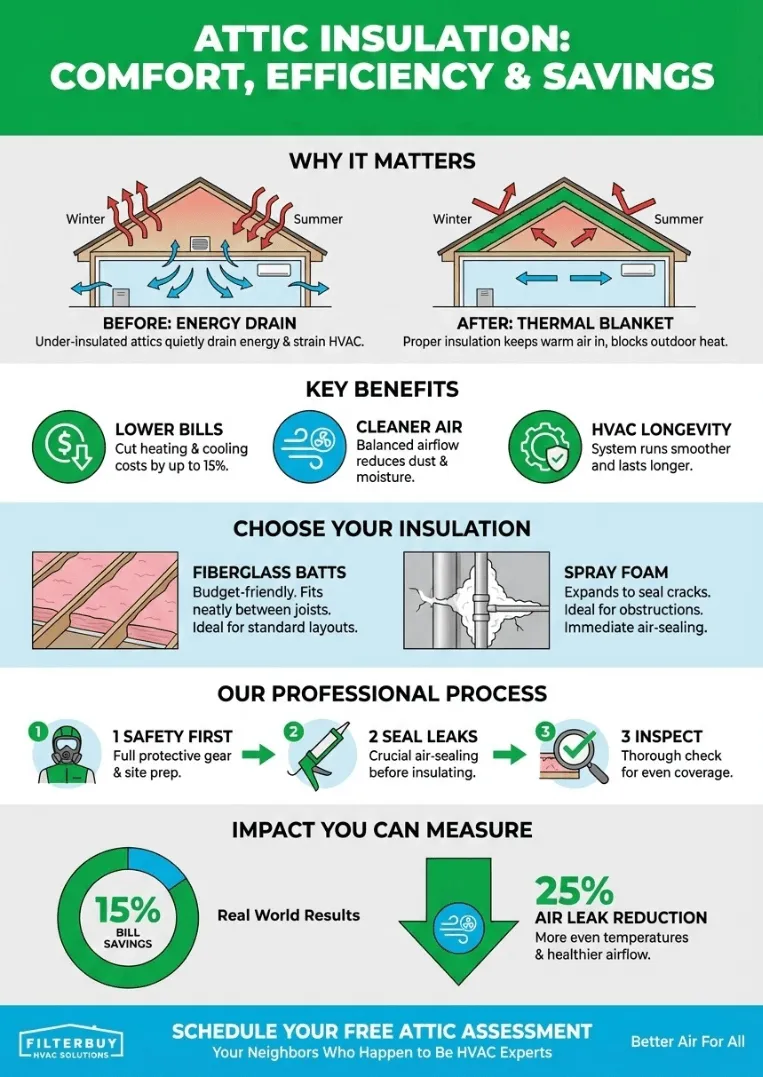
In many homes we service, proper attic insulation cuts heating and cooling costs by up to 15%—a difference you’ll see on your bill and feel in your home’s day-to-day comfort.
2. Precision Makes the Difference
The right insulation type, R-value, and air-sealing approach depend on your home’s design and our local climate. We help you choose what actually works here—not a one-size-fits-all solution.
3. Cleaner, Healthier Air
Balanced airflow reduces dust, moisture issues, and strain on your HVAC system. Many neighbors notice fresher, more consistent air quality almost immediately.
4. Proven Results You Can Trust
National energy data backs it up, and so does our own day-to-day experience serving homes across our community. When insulation is done right, comfort follows.
5. Upgrading Is Easier Than You Think
With American-made materials, straightforward expert guidance, and available tax incentives, improving your attic insulation is one of the simplest, most cost-effective upgrades you can make.
Understanding Why Attic Insulation Matters for Real Comfort
After working in homes across our community for years, we’ve seen one thing hold: your attic plays a bigger role in your comfort than almost any other part of the house. When insulation is done right, it acts like a dependable blanket—keeping warm air inside during winter and blocking outdoor heat during summer. When it’s done poorly, your HVAC system ends up working overtime, rooms lose their balance, and your energy bills start creeping up.
A lot of homeowners have heard myths like “you can never have too much insulation” or “all insulation works about the same.” In reality, what makes the biggest difference is choosing the right material, the right R-value for your region, and installing it with care. When insulation partners with your HVAC system instead of fighting against it, your home stays comfortable, your air stays cleaner, and your energy waste drops significantly.
Understanding these fundamentals helps you make smart choices—not guesswork—about something that impacts your home every single day.
Types of Attic Insulation — What Works and Why
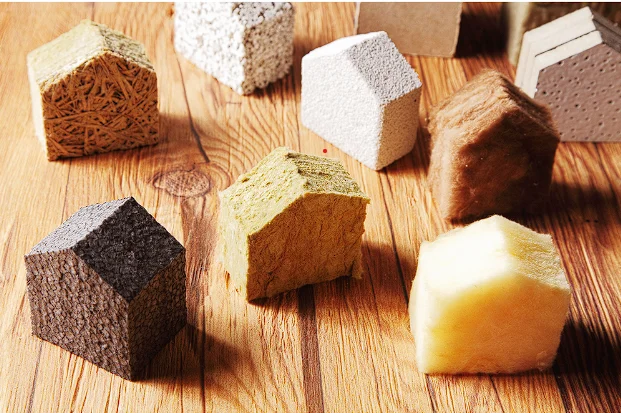
Every attic is a little different, which is why choosing the right insulation matters. Here are the materials we see homeowners benefit from most:
Fiberglass Batts
A popular, budget-friendly choice that fits neatly between joists. It’s reliable, effective, and a great solution for attics with standard layouts.
Spray Foam
A more advanced option that expands to seal cracks and gaps—ideal for older homes, uneven attics, or spaces with lots of obstructions. Its air-sealing benefits often deliver immediate comfort improvements.
Both materials can dramatically improve energy efficiency. The key is choosing what works best for your attic, your local climate, and your long-term comfort goals.
What to Consider Before Insulating Your Attic
Before we add a single batt or spray an inch of foam, there are a few things we walk every homeowner through:
- Budget Planning: Knowing costs up front helps you choose the right solution without surprises.
- Seasonal Timing: Certain times of year make installation smoother and more efficient.
- Material Selection: Your home’s structure and local weather patterns play a big role in what insulation works best.
- Expert Guidance: A professional assessment helps you avoid common mistakes and ensures your insulation performs the way it should.
These decisions matter more than most homeowners realize—and they directly impact comfort, energy savings, and indoor air quality.
How Attic Insulation Is Installed (The Right Way)
We always approach an attic as if it were our own, and that means doing the job carefully and correctly the first time:
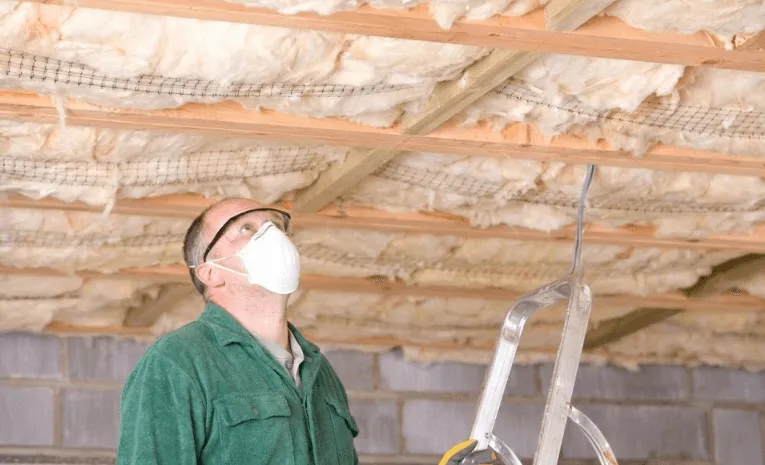
- Start with Safety – Gloves, goggles, and protective gear keep everyone safe.
- Seal Air Leaks First – This step is frequently skipped, but sealing gaps is crucial for performance.
- Measure Accurately – The right quantity ensures the insulation does its job without being compressed.
- Install Without Gaps – Batts are laid with precision, and blown-in insulation is applied evenly using a professional blower.
- Protect Lighting and Heat Sources – Insulation is kept clear of recessed fixtures to avoid safety hazards.
- Inspect Thoroughly – Every inch is checked for missed areas or uneven coverage.
This process is what separates “insulated” from properly insulated—and that difference shows up in your daily comfort.
The Long-Term Benefits of a Properly Insulated Attic
When your attic is insulated the right way, your home benefits for years:
- More Consistent Comfort: Rooms stay steady without hot or cold spots.
- Lower Utility Bills: Heating and cooling systems don’t have to fight against temperature swings.
- Cleaner Indoor Air: Proper insulation reduces dust, drafts, and moisture issues.
- Environmental Impact: Lower energy use cuts your carbon footprint.
- Higher Home Value: Energy-efficient homes attract buyers and increase resale appeal.
A well-insulated attic isn’t just a home upgrade—it’s a long-term investment in comfort, health, and efficiency.
“After insulating attics in homes across our own community, we’ve seen the same thing happen time and time again. Once a home is sealed properly, the HVAC system can finally breathe a little easier. What follows isn’t just a drop in energy bills—it’s cleaner air, steadier temperatures, and a home that feels balanced no matter the season. That’s what happens when insulation is done the right way, with the right materials, by people who genuinely care about your comfort.”
Your Go-To Local Resources for Making a Smart Attic Insulation Decision
1. U.S. Department of Energy — Clear, Science-Backed Basics Every Local Homeowner Can Trust
When you’re trying to understand what your attic really needs, the DOE gives you the fundamentals—from R-values to how insulation behaves in different climates. It’s a reliable place to start before comparing quotes or choosing materials for your home.
Resource: https://www.energy.gov/energysaver/insulation
2. Insulation Institute — Step-By-Step Guidance That Makes the Process Less Overwhelming
If you’ve ever stood in your attic wondering where to even begin, this guide breaks it down into simple, doable steps. It’s especially helpful for understanding prep work and what a proper installation should look like, whether you DIY or hire a pro
Resource: https://insulationinstitute.org/im-a-homeowner/installation/doing-it-yourself/attics-and-ceilings/
3. ENERGY STAR — Know Exactly How Much Insulation Your Home Should Have
In our area, the right R-value can be the difference between a home that feels stable year-round and one that struggles through peak seasons. ENERGY STAR’s climate charts make it easy to see what’s recommended so you can confirm you’re aiming for the right level of protection.
Resource: https://www.energystar.gov/saveathome/seal_insulate/identify-problems-you-want-fix
4. Building America Solution Center — Professional-Grade Insights You Can Use to Check Quality
After years of working in local homes, we’ve seen how much air-sealing and moisture control affect comfort. This technical guide helps you understand what “done right” truly looks like—useful when evaluating a contractor’s work or planning an upgrade.
Resource: https://basc.pnnl.gov/file-download/download/private/6336
5. Modernize — Real-World Pricing, Material Options, and What to Expect in Your Area
If you’re trying to budget realistically, this homeowner resource gives clear expectations on costs and timelines. It’s a great way to sense-check quotes and get familiar with insulation types commonly used in homes like yours.
Resource:https://modernize.com/insulation/attic-insulation-guide
6. Natural Handyman — Simple, Neighbor-Friendly Tips to Avoid Common Attic Mistakes
These quick, practical reminders cover the little things we often see homeowners miss—from safety prep to airflow concerns. It’s an easy read that can save you headaches before work even begins.
Resource:https://www.naturalhandyman.com/iip/infinsulaton/inf-8-insulation-tips.html
7. Koala Insulation — Contractor-Level Best Practices to Spot Quality Work in Your Home
After spending years in attics around our community, we can tell you these best practices separate a rushed job from a lasting one. This checklist helps you understand what professional workmanship should look like and what shortcuts to watch for.
Supporting Statistics & Local Insights
Real results come from real data—and what we see in local homes every week supports the national research:
Save Up to 15% on Energy Bills
The EPA reports that sealing and insulating attics can reduce heating and cooling costs by about 15%. We often see even higher savings in older homes with leaking attics.
Source: EPA – ENERGY STAR Home Sealing & Insulation Guide
Reduce Air Leaks by 25%
ENERGY STAR finds that professional attic sealing can cut air infiltration by roughly 25%.
In our experience, this leads to more even temperatures and healthier airflow.
Source: ENERGY STAR – Home Sealing & Insulation Recommendations
Reach the Right R-Value for Your Region
The U.S. DOE recommends R49–R60 for most attics across the country.
Many homes we inspect fall well below this, causing avoidable energy waste.
Source: DOE – Insulation Recommendations by Region
Final Thoughts from Your Local Comfort Partners
For us, attic insulation isn’t just another service—it’s one of the most meaningful ways to improve how a home feels and performs.
What We See Every Day in Local Homes:
- A properly sealed attic brings balance to rooms that were always too hot or too cold.
- Energy bills go down, comfort goes up, and indoor air becomes noticeably cleaner.
- HVAC systems run smoother and last longer when insulation supports—not strains—the airflow.
Our Honest Insight:
You don’t need “more” insulation—you need the right insulation installed with precision and matched to your home and climate. That’s where real results come from.
Next Steps
Take control of your home’s comfort and energy use with Filterbuy.com. Here’s how to get started:
- Schedule a Free Attic Assessment
- Get a professional inspection of your current insulation.
- Identify where energy loss is happening and how to fix it.
- Select the Right Insulation
- We’ll match your home’s size, climate, and goals to the right R-value and materials.
- All options are American-made for lasting performance.
- Book Your Installation
- Our team handles everything—setup, installation, and clean-up.
- Quick, efficient, and minimally disruptive.
- Enjoy the Results
- Lower bills, balanced temperatures, and cleaner indoor air.
- Claim tax credits or rebates to boost your savings.
FAQ on “attic insulation installation”
Q: How can I tell if my attic needs new insulation?
A:
- Uneven room temperatures
- AC runs constantly
- Rising energy bills
- In my experience, these comfort issues usually show up before homeowners ever look in the attic.
Q: What insulation type works best in most attics?
A:
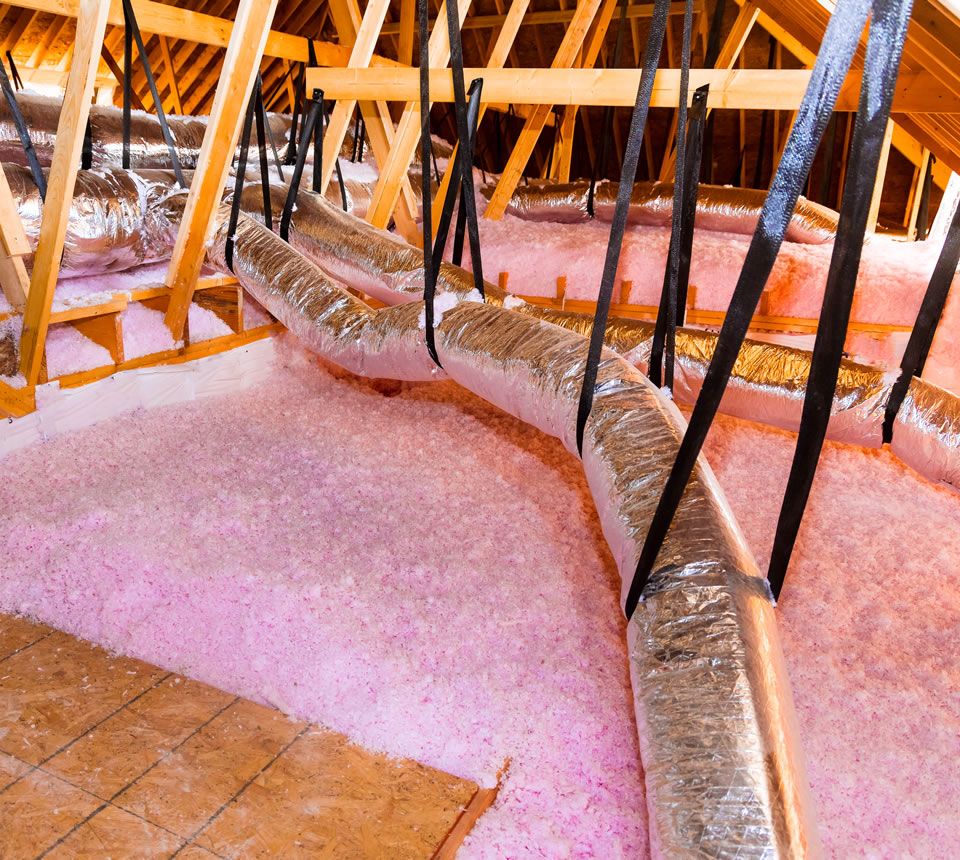
- Blown-in insulation delivers the most consistent coverage.
- It fills gaps and odd corners we often see in older homes.
- Batts can work, but only when the attic layout allows a tight fit.
Q: How much insulation should my attic have?
A:
- If you see exposed joists, you likely need more.
- Most homes fall short of recommended R-values for their climate.
- Adding depth helps stabilize comfort and lower energy use.
Q: Can I install attic insulation myself?
A:
- DIY works for small top-offs.
- Full installs require proper air-sealing and ventilation.
- I often see DIY jobs underperform because hidden leaks weren’t fixed first.
Q: How long does professional insulation installation take?
A:
- Most jobs take a few hours.
- Extra time is needed if old insulation must be removed.
- Air-leak repairs add time but noticeably improve comfort.
Ready to Improve Your Home’s Energy Efficiency and Comfort with Expert Attic Insulation Installation?
Schedule your free attic assessment with Filterbuy HVAC Solutions today and find out exactly where your home is losing energy—and how to fix it. As your local comfort partners, we’ll handle everything from inspection to installation so you can start enjoying lower bills and a more comfortable home right away.